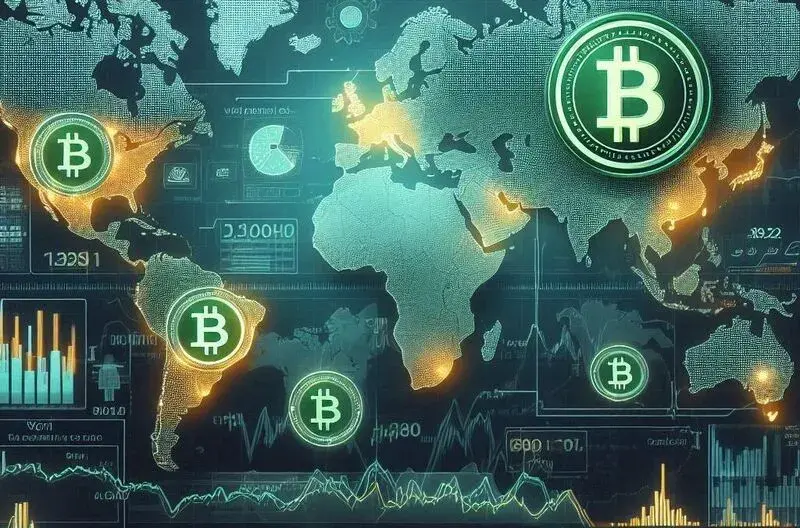
This sounds like revolution: could it be a masterstroke of financial sovereignty by an entire nation, or simply reckless madness destined to destroy its economy? The crypto community is actively debating this question, and I assure you it’s not a theoretical exercise. Entire countries are making bets on this high-risk geopolitical board right now.
So beyond the headline news and the overexcitement on Twitter, let’s dig into what’s really at stake, which countries are doing it for real, and why this strategy is a double-edged sword.
It’s Not an “Investment”—It’s a Geopolitical Statement
The first mistake many people make is thinking about a country buying Bitcoin like we do. They’re not buying it just to “make money,” but as a strategic tool to escape foreign economic influence. That means profitability isn’t the primary motivation; instead:
- Escaping the Dollar: For nations under U.S. sanctions (like Venezuela) or with vulnerable dollarized economies (like El Salvador), Bitcoin is a way to conduct international trade outside the SWIFT system.
- Protection from Local Inflation: For countries with a history of hyperinflation and fiat money systems without central-bank control, Bitcoin is a decentralized anchor—similar to the gold standard, but without depending on another central bank’s policy.
El Salvador: The Pioneer — Vision or Madness?
I can’t talk about this without mentioning the live case: El Salvador. President Nayib Bukele cut loose by declaring Bitcoin as legal tender and regularly purchasing the currency with public treasury funds.
The outcomes so far have been, truthfully, an explosive cocktail:
- The good? Attracting tech investment, crypto tourism, and even putting the country on the map.
- The terrible side? Losing tens of millions of dollars by buying at historical highs. The IMF has repeatedly reprimanded the government, and most of the population doesn’t use it for daily transactions.
In my view, El Salvador is less a model to follow and more a warning about the risks of timing and volatility. Bukele bet the people’s money in the roulette of the markets.
Real Advantages vs Marketing Mirages
- ✅ The only Real Advantage: Sovereignty. This is the unquestionable truth; a country can move value across borders without asking permission.
- ✅ Another Real Advantage: Accessibility 24/7. Traditional reserves (Bonds, Gold) are traded in market hours. Bitcoin settles multi-billion dollar operations 365 days a year.
- ❌ The Mirage: “Inflation Protection.” This is relative: Bitcoin is deflationary in issuance, but hypervolatile in price. What good is a deflationary reserve if its dollar value can drop by 60% in six months? For a country, that volatility is a monumental logistical problem when balancing budgets.
Risks That Politicians Don’t Mention
- Custody Risk: Where does a country store the private keys for billions of dollars? Hardware wallet? Multisignature? The risk of hacking or human error is catastrophic. There is no customer service number to call if you lose your funds.
- Increased Geopolitical Risk: Openly adopting Bitcoin can be viewed as a hostile act by powers like the U.S. or China.
- Liquidity Risk in Crisis: In a global crisis, would a country be able to sell $500 million in Bitcoin without crashing the market and tanking the price? Probably not. Gold, by contrast, has a deep and stable market.
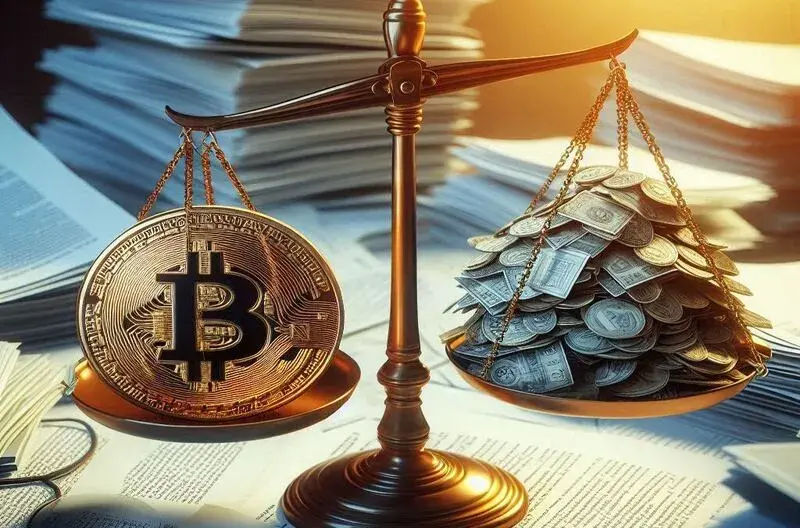
Conclusion: Would I Recommend a Country Do This?
Only under extreme and specific circumstances.
- If you’re a stable country with a strong currency, you do NOT need Bitcoin in your reserves. It’s an unnecessary risk.
- If you’re a country under sanctions, with hyperinflation, and lacking access to traditional global markets, Bitcoin becomes a risky but potentially viable option to safeguard a minimum of financial sovereignty. It’s an act of strategic desperation.
The adoption of Bitcoin is not therefore the inevitable future. It’s an indicator of a dysfunctional global financial system and the desperation of those who have been excluded from it.
What do you think? Do you agree that more countries should take this risk, or do you believe it’s absolute madness? Do you see your country making this decision in the next decade? Let me know in the comments.